
digitalwingmanagency.com

May 2026

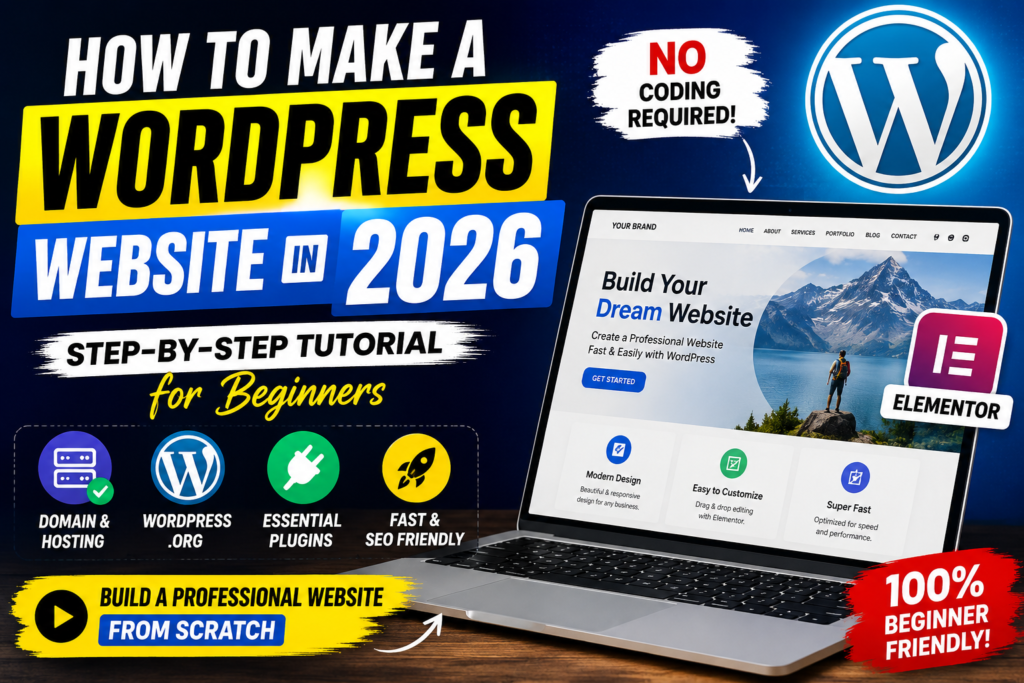
build a wordpress website
speed Optimization

Make a WordPress Website 2026 (Beginner Tutorial)

How to Make a WordPress Website in 2026 (Step-by-Step Tutorial for Beginners) Creating a 2026 WordPress website is easier than ever before. Whether you’re building a personal blog, portfolio, business website, online store, or agency site, this complete WordPress tutorial for beginners will walk you through everything you need to know. In this detailed step-by-step guide, you’ll learn how to make a WordPress website from scratch using WordPress.org, Elementor, beginner-friendly tools, and modern website-building methods in 2026 using the most popular website platform in the world. This tutorial for beginners covers everything including domain and hosting, how to install WordPress, customize your design, add plugins, use drag-and-drop builders, create contact forms, optimize for mobile devices, and build a professional website without advanced coding required. Why Choose WordPress Website in 2026? A WordPress website in 2026 is still the best option for beginners, freelancers, businesses, and content creators because WordPress gives you full control, complete control, flexibility, scalability, and customization options. Millions of websites use WordPress because it is: Whether you’re building a blog, AI website, company portfolio, or professional website from scratch, WordPress allows you to build the exact way you want without expensive web designers or extra cost. Everything You Need to Build a WordPress Website Before you create a WordPress website, there are a few important things you need. Domain and Hosting To build a website with WordPress, you first need: Your domain is your website address like: yourwebsite.com Web hosting stores your WordPress site files online so visitors can access your complete website anytime. ✅ Hostinger – Beginner-Friendly Hosting Hostinger is one of the most beginner-friendly hosting providers for anyone who wants to make your first professional website from scratch. Benefits include: If you want a smooth experience in 2026 using WordPress.org, Hostinger is a great option. Step-by-Step Tutorial to Make a WordPress Website Without Coding This full WordPress tutorial covers everything from setup to customization. Step 1: Register Your Website Name Choose a professional website name related to your business or niche. Tips: A good website name helps you create a professional website and build brand trust. Step 2: Buy Domain and Hosting After selecting your website name: Most hosting companies now provide: Step 3: Install WordPress Now it’s time to install WordPress. Most hosting companies allow one-click installation: Within minutes, your WordPress website the right way will be ready. Inside WordPress Dashboard After you install WordPress, log into your WordPress dashboard. Example: yourwebsite.com/wp-admin Inside WordPress you can: The WordPress dashboard gives complete control over your website. How to Build a WordPress Website Using Elementor One of the easiest ways to build a WordPress website is by using Elementor. What is Elementor? Elementor is a drag-and-drop website builder that allows beginners to make a WordPress website without coding. With Elementor, you can: This is perfect for beginners who don’t want heavy coding. Step 4: Install Elementor Plugin Go to: Plugins → Add New Search: Elementor Then: Now you’re ready to build a professional website visually. Step-by-Step Guide to Create a Professional Website Step 5: Choose a Template or Theme Recommended beginner-friendly themes: Astra is highly recommended because it is lightweight, beginner-friendly, mobile responsive, and easy to customize. Step 6: Customize Your Website Now it’s time for customization. You can customize: This allows you to create a professional website exactly the way you want. How to Build a Professional Website Without Coding Modern WordPress tools make website building simple. You can now: No advanced coding required. Even complete beginners can learn how to build professional websites quickly. Essential Plugins for Your WordPress Website Plugins add extra features to your website. Important plugins include: Popular plugins: Plugins help make your site fully functional. Create a Business Website or Online Store WordPress is flexible enough for: Whether you’re building a business website or personal brand, WordPress gives full control and complete customization. How to Make Your Website Mobile Friendly Most visitors now browse using mobile devices. Your WordPress website in 2026 must: Elementor and Astra Theme automatically optimize layouts for mobile devices. Upload Original Content for Better SEO To rank on Google: Creating original content helps your WordPress site grow faster. Why WordPress.org is Better WordPress.org gives: Unlike other builders, WordPress.org allows you to build a professional website exactly the way you want. Learn How to Create a Professional Website Step-by-Step This complete WordPress tutorial for beginners showed you: You’ll learn how to build websites faster and more professionally in 2026 using modern WordPress tools.

get your free domain
speed Optimization

Free Domain Registration: Claim Your Free Domain Name & Email Service

Unlock your online potential without the upfront cost. This guide will walk you through the process of securing a free domain name and associated email services, providing you with practical tips and expert insights to establish your digital presence effectively and efficiently. Understanding Domain Registration Understanding the fundamentals of domain registration is the first step towards establishing a strong online identity. A domain name serves as your unique address on the internet, allowing users to find your website and services easily. This section will delve into what domain registration entails, its significance, and how to effectively search for the perfect domain name. What is Domain Registration? Domain registration is the process of reserving a specific domain name on the internet for a set period, typically through a domain registrar. This process ensures that no one else can use that exact domain name for your website or email services during your registration period. It’s essentially claiming your unique online address. Importance of a Domain Name A distinctive domain name is crucial for building a professional online presence and fostering brand recognition. It provides your website with credibility, makes it memorable for visitors, and significantly enhances your digital identity, which is vital for any personal or business endeavor seeking to establish trust and authority online. How to Search for Your Ideal Domain To find your ideal domain, utilize a reliable domain search tool provided by registrars. Enter keywords relevant to your brand or purpose to see available options. Consider various domain extensions like .com, .org, or .net, and aim for a name that is easy to remember, spell, and pronounce to maximize your online visibility. Getting a Free Domain Securing a free domain name can significantly reduce initial setup costs for your online project, making it more accessible to a wider audience. This section will guide you through where to find reputable free domain name services, the steps required to claim your free domain, and common pitfalls to avoid during the registration process. Where to Find Free Domain Name Services Several providers offer a free domain name, often as part of a web hosting package or through specialized free domain name services. Many web hosting companies include free domain registration for the first year when you sign up for their hosting plan, while some platforms specialize in offering free domain extensions like .tk or .ml with no obligation. Steps to Claim Your Free Domain To claim your free domain, first, choose a reputable provider offering free domain names. Next, use their domain search tool to check the availability of your desired domain. Once found, follow the on-screen instructions to create an account and complete the domain registration process, often requiring minimal personal information. Common Pitfalls to Avoid When Registering When registering your free domain, be wary of hidden renewal fees or restrictive terms of service that might emerge after the initial free period. Always read the fine print regarding ownership, DNS management, and any obligation tied to a hosting plan to ensure you maintain full control and avoid unexpected costs or limitations on your fully functional domain. Free Domain Name Extensions Popular Free Domain Extensions Many free domain extensions are available beyond the widely recognized .com, .org, or .net. These often include country code top-level domains (ccTLDs) or sponsored top-level domains (sTLDs) that a specific provider might offer. Popular choices for a free domain include .tk, .ml, .ga, .cf, and .gq, which are often provided by Freenom. While these may not carry the same immediate recognition as a .com domain, they can be excellent for personal projects or for establishing an online presence on a budget. Choosing the Right Extension for Your Needs When selecting a free domain extension, consider the purpose of your website and your target audience. If you aim to create a personal blog or a temporary project, free domain extensions like .tk or .ml can serve perfectly well. However, if you are building a professional business site or require a high level of brand recognition, it might be worth considering a more established option in the future, even if it involves a small payment. Always ensure the chosen extension aligns with your long-term goals and helps build your online identity effectively. Trust and Credibility with Free Domains While a free domain name can be incredibly beneficial for initial setup and budget constraints, it is important to understand its potential impact on trust and credibility. Some users might perceive websites with less common free domain extensions as less professional or reliable than those with a .com or .org domain. To counteract this, focus on high-quality content, excellent user experience, and transparent communication to build a strong reputation and ensure your fully functional domain still garners the trust it deserves from visitors and potential customers. Setting Up Your Free Email Service Benefits of Having a Professional Email Having a professional email address linked to your domain name is paramount for building a credible online presence and fostering trust with your audience. Instead of using generic email providers, an email address like yourname@yourdomain.com instantly enhances your professional image, making your communications more reliable and memorable. This service provides a consistent brand identity, crucial for businesses and individuals seeking to establish authority and professionalism online. How to Create Your Free Email Account To create your free email account, you’ll typically need to access the control panel provided by your domain or web hosting service. Many hosting plans and domain registrars include a free email service as part of their package. Navigate to the email management section, where you can set up new email addresses, configure mailboxes, and often manage email forwarding. Follow the step-by-step instructions to create your desired email address and set a secure password, ensuring your professional email is ready for use. Integrating Email with Your Domain Integrating your free email service with your domain name involves configuring the DNS settings, specifically the MX records, to direct email traffic to your email provider’s servers. This ensures that any email

wordpress speed optimization
speed Optimization

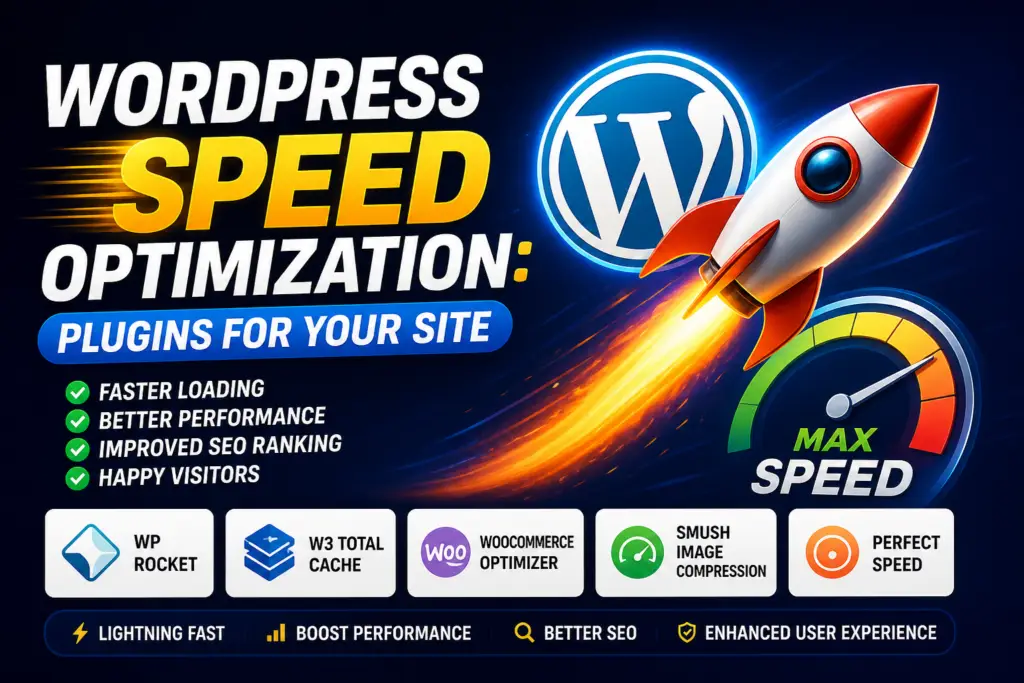
WordPress Speed Optimization: Plugins for Your Site

WordPress Speed Optimization: Plugins for Your Site In today’s fast-paced digital world, a slow website is a significant disadvantage. This article delves into the critical area of WordPress speed optimization, exploring how various plugins can transform your website’s performance and user experience. Understanding WordPress Speed Optimization What is WordPress Speed Optimization? WordPress speed optimization refers to the process of enhancing your WordPress site’s loading speed and overall website performance. The goal is to make your website load faster, providing a seamless experience for visitors and improving your search engine rankings. This involves various techniques, from minimizing file sizes and optimizing images to leveraging caching and efficient code. Effective WordPress speed optimization addresses numerous factors that can slow down your site, ensuring a snappier and more responsive WordPress website. Ultimately, it’s about making your WordPress installation as efficient as possible. Importance of Speed for Your WordPress Site The speed of your WordPress site is paramount for several reasons, directly impacting user experience, conversion rates, and search engine visibility. A slow website can deter visitors, leading to high bounce rates and lost opportunities. In contrast, a fast-loading site keeps users engaged, encouraging them to explore more content and potentially convert into customers. Search engines like Google prioritize fast-loading websites, meaning that good WordPress speed optimization can significantly improve your search engine rankings and organic traffic. Prioritizing WordPress speed is an investment in the overall success and reach of your online presence. Core Web Vitals and Their Impact on Optimization Core Web Vitals are a set of specific factors that Google considers important in a webpage’s overall user experience, directly influencing how your WordPress site ranks. These metrics – Largest Contentful Paint (LCP), First Input Delay (FID), and Cumulative Layout Shift (CLS) – measure loading performance, interactivity, and visual stability, respectively. Achieving good Core Web Vitals scores is now crucial for any WordPress speed optimization strategy, as they directly impact your site’s visibility in search results. Therefore, any effective speed optimization effort for your WordPress website must meticulously address these vital performance indicators to ensure a faster website and better search engine standing. Essential Plugins for Speed Optimization Top WordPress Plugins to Speed Up Your Site To significantly improve your website’s performance, leveraging the right WordPress plugins is crucial. These plugins are specifically designed for WordPress speed optimization, helping to address common issues that can slow down your site. From caching solutions that reduce server load to image optimization tools that compress image files without sacrificing quality, each plugin plays a vital role in enhancing your loading speed. Effective use of these WordPress plugins can drastically improve your website’s page load times, ensuring a faster website that provides a superior user experience, ultimately contributing to better Core Web Vitals scores and overall WordPress performance. Comparing WP Rocket and Other Caching Plugins When it comes to caching plugins, WP Rocket stands out as a premium solution for WordPress speed optimization due to its user-friendly interface and comprehensive features. While plugins like WP Rocket offer a robust all-in-one approach to cache management, including page caching, browser caching, and GZIP compression, other notable options exist. W3 Total Cache and WP Super Cache are popular free alternatives that also provide extensive caching functionalities, though they often require more configuration effort. The choice between these caching plugins depends on your technical expertise and specific needs, but all aim to reduce server load and accelerate page loading times for your WordPress site. Optimization Plugins that Enhance Loading Speed Beyond dedicated caching solutions, a range of optimization plugins can further enhance your WordPress site’s loading speed. Plugins for image optimization, such as Smush or Imagify, are essential for compressing image files and implementing lazy load, preventing large image files from slowing down your site. Furthermore, plugins designed to optimize CSS and JavaScript files, by minifying and combining them, can significantly reduce overall file sizes and improve page load times. These optimization plugin choices, when combined with a strong hosting provider and a CDN, create a comprehensive strategy for WordPress speed optimization, ensuring a faster website and an excellent user experience. Implementing Speed Optimization Techniques How to Optimize Your WordPress Site with Plugins To significantly improve your website’s performance, leveraging the right WordPress plugins is crucial. These plugins are specifically designed for WordPress speed optimization, helping to address common issues that can slow down your site. From caching solutions that reduce server load to image optimization tools that compress image files without sacrificing quality, each plugin plays a vital role in enhancing your loading speed. Effective use of these WordPress plugins can drastically improve your website’s page load times, ensuring a faster website that provides a superior user experience, ultimately contributing to better Core Web Vitals scores and overall WordPress performance. Beyond dedicated caching solutions, a range of optimization plugins can further enhance your WordPress site’s loading speed. Plugins for image optimization, such as Smush or Imagify, are essential for compressing image files and implementing lazy load, preventing large image files from slowing down your site. Furthermore, plugins designed to optimize CSS and JavaScript files, by minifying and combining them, can significantly reduce overall file sizes and improve page load times. These optimization plugin choices, when combined with a strong hosting provider and a CDN, create a comprehensive strategy for WordPress speed optimization, ensuring a faster website and an excellent user experience. Best Practices for Improving Website Performance Implementing best practices is fundamental to successful WordPress speed optimization, moving beyond just installing plugins to a more holistic approach. This includes choosing a reliable hosting provider that offers a robust hosting environment, as server response time is a critical factor in website performance. Minimizing WordPress bloat by removing unnecessary themes, plugins, and media files can drastically reduce your WordPress site’s overall footprint, leading to faster loading. Regular database optimization and keeping your WordPress installation, themes, and plugins updated are also crucial for maintaining optimal site speed and security, ensuring your WordPress website remains a faster website. Furthermore, leveraging a Content Delivery

Scroll to Top